
A conversation with Chris de Jong, Managing Director of REEFolution
How did you become involved with REEFolution?
I joined in 2019 after studying Environmental Economics at Wageningen University. I knew I wanted to contribute to ocean conservation, but initially I didn’t know what my role could be.
Over time, I realised that running a conservation organisation requires just as many different skills as any other organisation. There are roles in science, fundraising, finance, communications, operations and strategy.
For the past six years, I’ve been leading REEFolution as Managing Director.
What is REEFolution’s mission?
REEFolution was founded in 2015 to protect and restore coral reefs together with local communities in East Africa.
The community element is central. We don’t want to arrive somewhere with an externally designed conservation agenda and simply tell people what should happen. The people who depend on these ecosystems need to be part of shaping and implementing the solution.
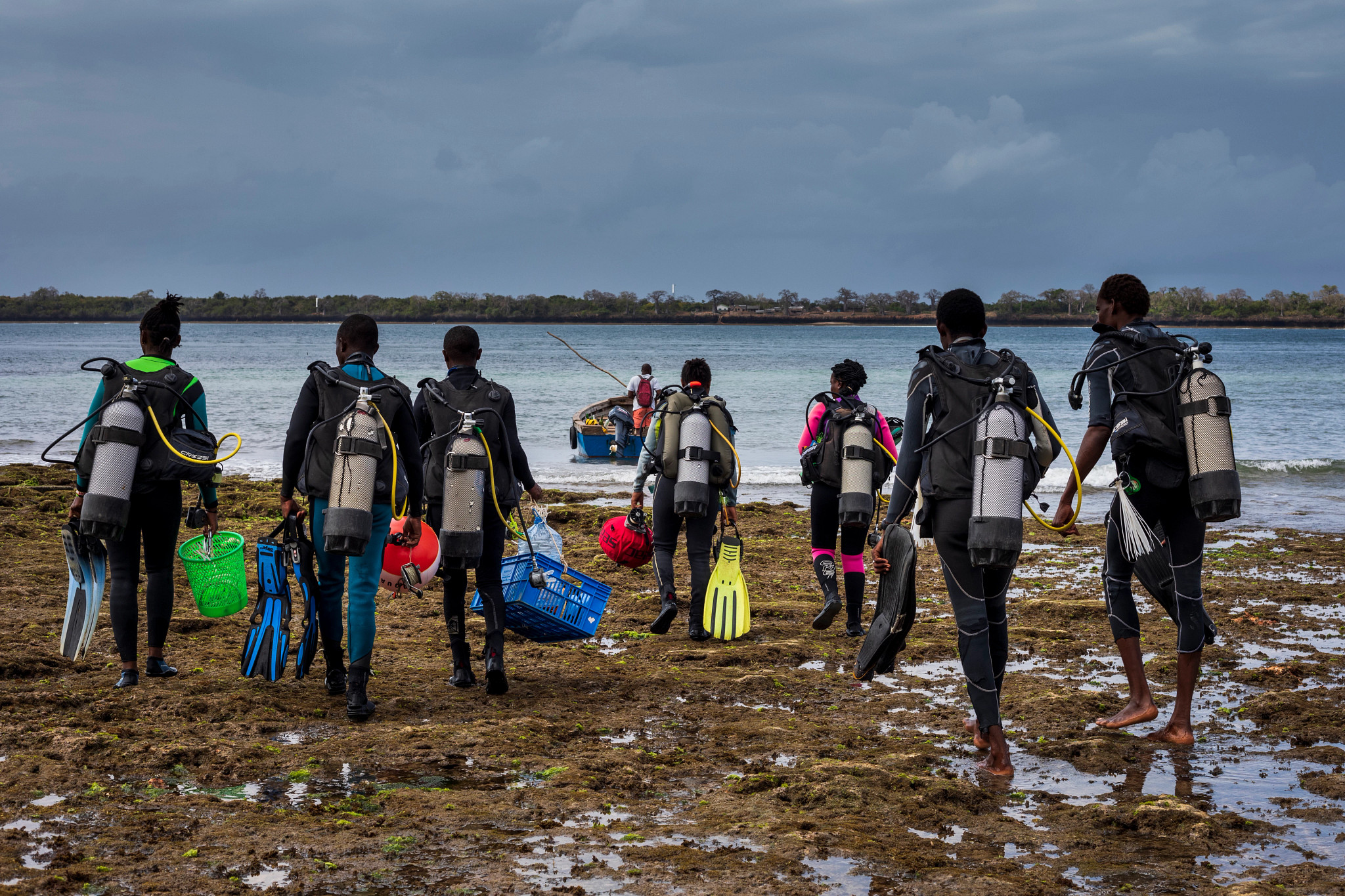
For me, success means that twenty years from now we still have healthy reefs that provide food and income for coastal communities, as well as habitat for extraordinary marine biodiversity.
Who are the REEF Rangers?
REEF Rangers are typically people from the communities where our projects operate. Many come from fishing communities and have grown up depending directly on the ocean.
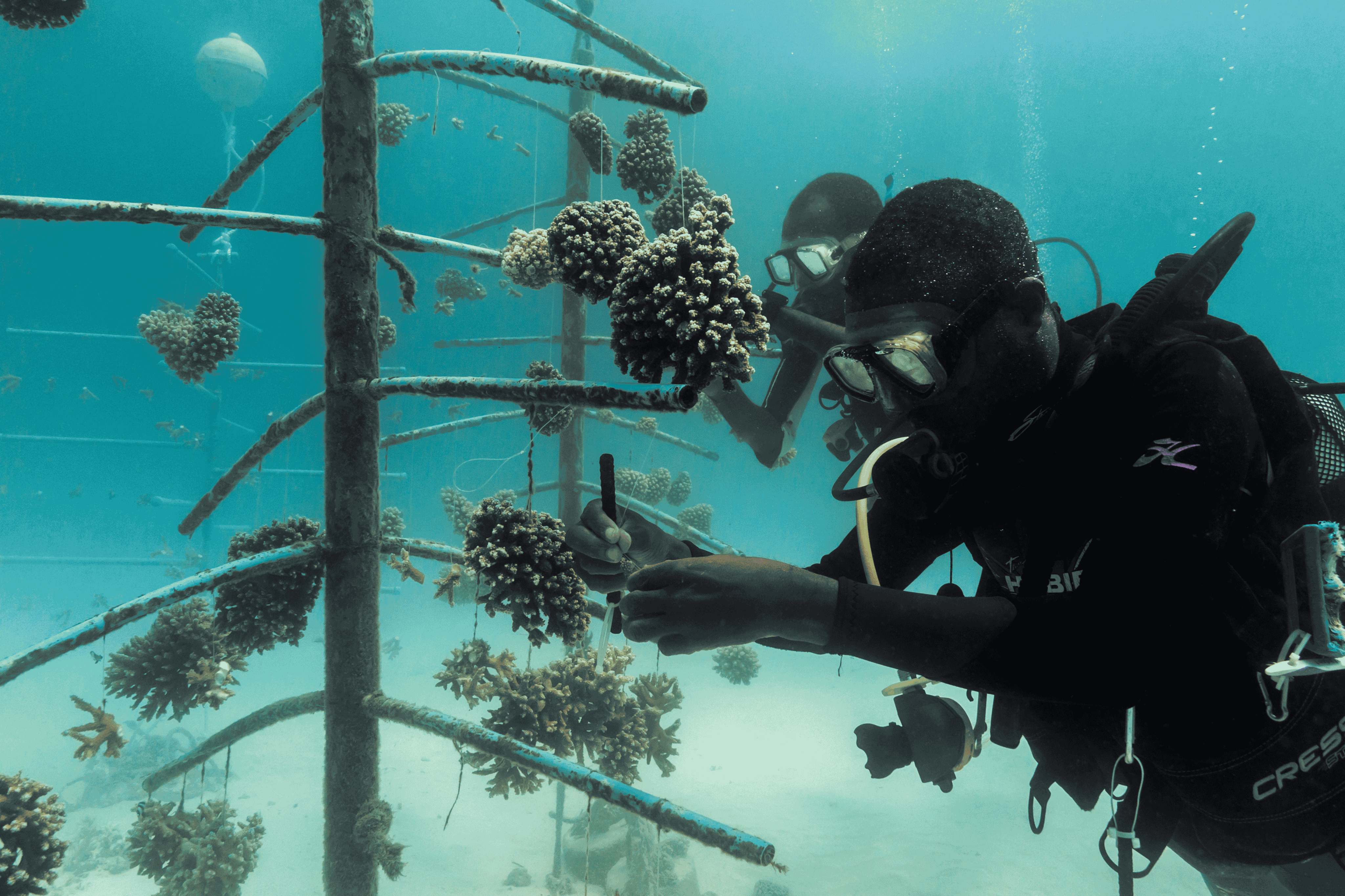
Their work is quite diverse.
It can include maintaining coral nurseries, outplanting corals, constructing and deploying reef structures, collecting ecological data, supporting researchers and contributing to community outreach and education.
Do you plan to extend beyond Kenya?
Yes, but first we want a model that is scientifically effective, scalable and valuable to local communities. Once that foundation is strong, the ambition is to apply what we learn in other locations. Ultimately, the dream is to contribute to a much wider movement around climate-resilient coral conservation.
What has changed since Black Winch became a partner?
In 2021 and 2022, our local team was still relatively small. Black Winch was one of the early partners that consistently supported the development of the REEF Ranger programme, and that continuity has been particularly valuable.
At the time, much of the practical work was still carried out together with visiting international students. Today, around 35 individuals have been trained through our REEF Ranger programmes. At the same time, the physical scale of the restoration programme has grown substantially. REEFolution now operates one of the larger coral restoration programmes on mainland Africa, supported by a much broader network of scientific, community and institutional partners.
What impact has REEFolution achieved?
We have outplanted around 60,000 coral fragments along approximately three kilometres of coastline. But planting is only the beginning. Around a decade of monitoring data has contributed to scientific publications and shown strong ecological recovery at some sites, including substantial increases in fish populations and biodiversity.
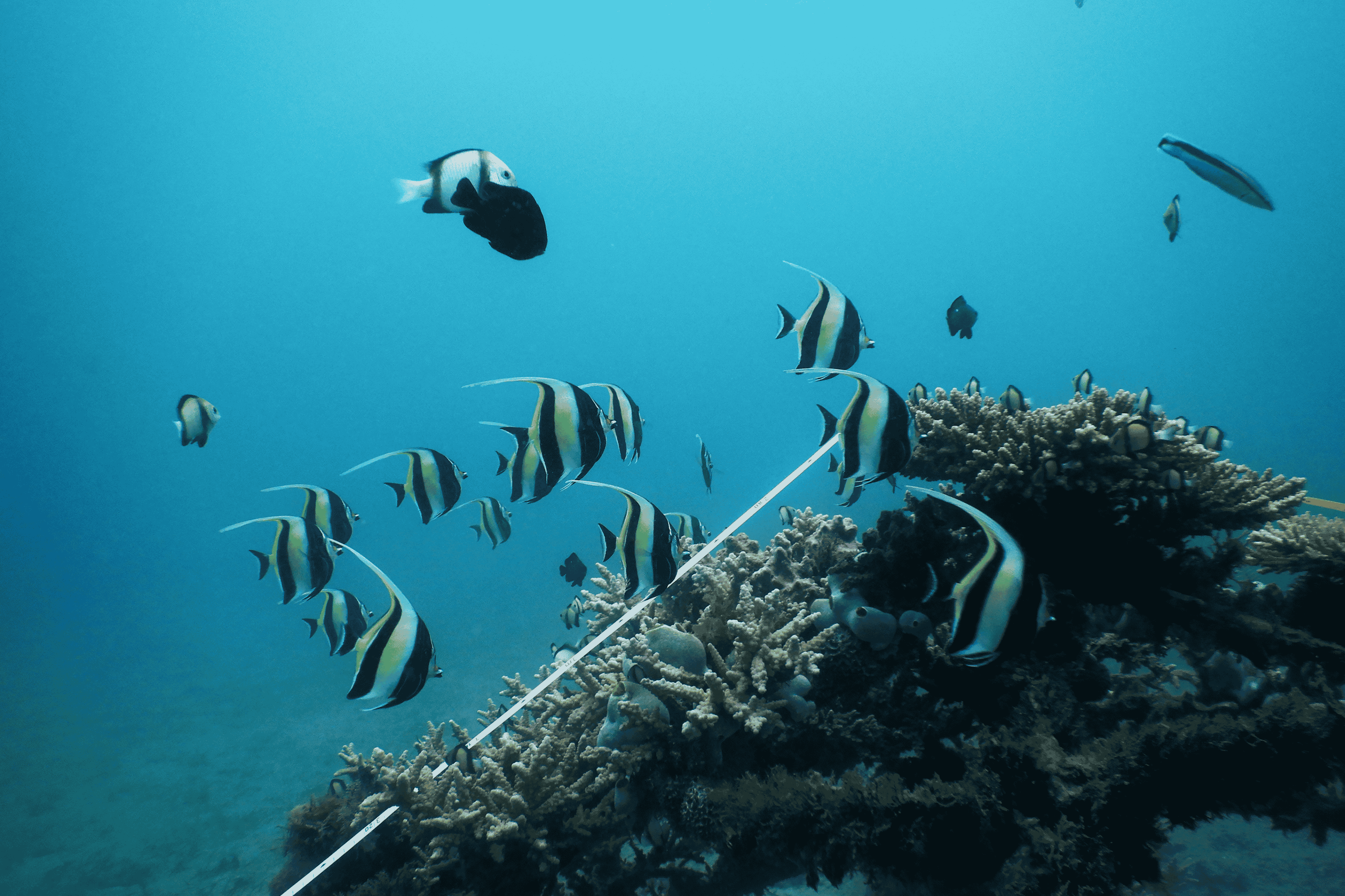
Those numbers matter because they help us distinguish between restoration that simply looks good and restoration that is actually rebuilding ecosystem function.
What is the biggest challenge ahead?
Climate change. We can monitor coral survival and ecosystem recovery, but restored reefs remain exposed to marine heatwaves just like natural reefs.
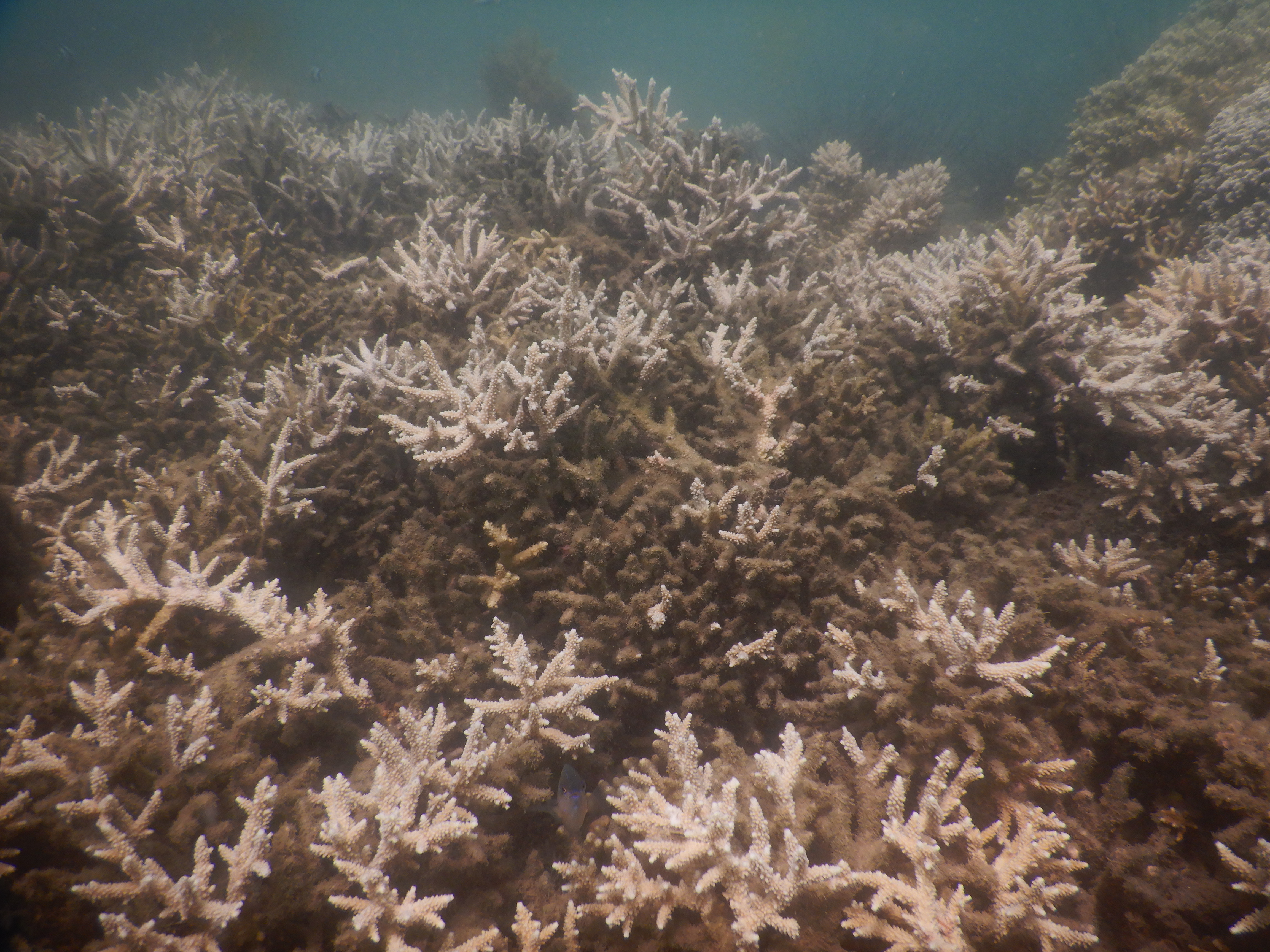
A restored reef can create habitat and attract fish even if some corals later die, because the physical reef structure remains for some time. But once living coral disappears, the reef loses its ability to grow, regenerate and maintain itself over the long term. Eventually, those structures erode.
So restoration can rebuild ecosystem function, but if the corals themselves cannot survive future ocean temperatures, those gains remain vulnerable.
That brings us to Assisted Evolution. Can you explain why REEFolution started working on this?
The severity of recent marine heatwaves, particularly in 2024, surprised even many of the scientists we work with. Ocean temperatures in our region remained roughly two degrees above normal for several weeks. We saw very substantial coral mortality, including inside well-protected areas.
That forced us to ask a difficult question: if we restore reefs today with corals that are equally vulnerable to the next major heatwave, how durable is our impact?
That's why we're exploring Assisted Evolution, one of the most promising approaches coming from research pioneered in Australia by the Australian Institute of Marine Science, or AIMS. This will help accelerate an adaptive process that also occurs in nature, but which may not happen quickly enough to keep pace with the rate at which the ocean is warming.
How does the community model fit with Assisted Evolution?
Very naturally. For the past decade, much of REEFolution’s work has been bottom-up: training local people, working with communities and developing grassroots conservation capacity.
But as our programmes become more ambitious, we also need the top-down side: government, regulation, universities and national research institutions.
Assisted Evolution brings those two worlds together.
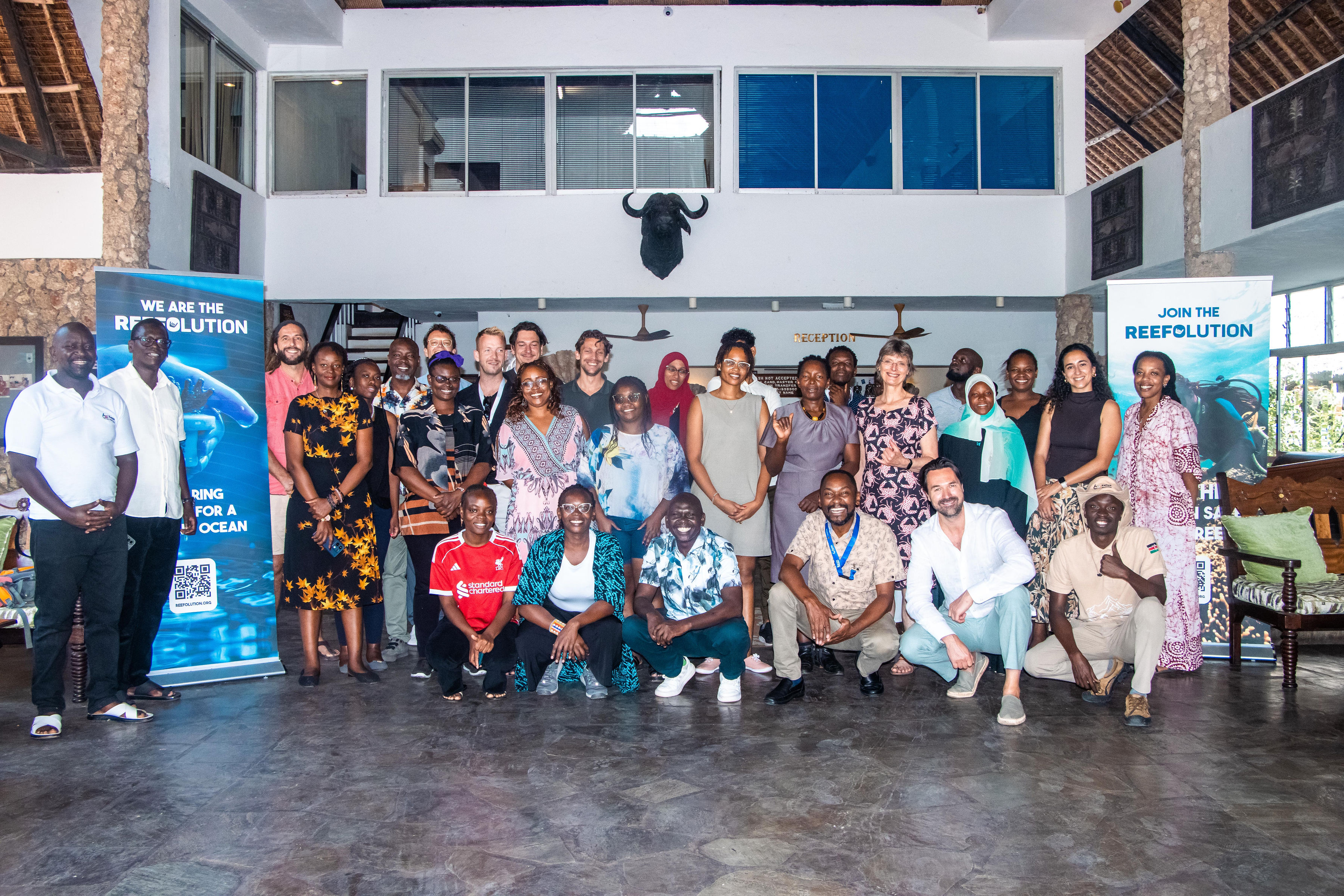
The REEF Rangers can support coral collection, monitoring and eventually restoration activities. So adaptation doesn't replace the community model. It strengthens the reason why we need it.
How does Black Winch’s annual contribution translate into impact?
Black Winch’s support has helped outplant more than 2,300 corals and fund the training and employment of a local REEF Ranger for three years. It also supports nursery care, monitoring and the scientific evidence that helps improve restoration elsewhere.
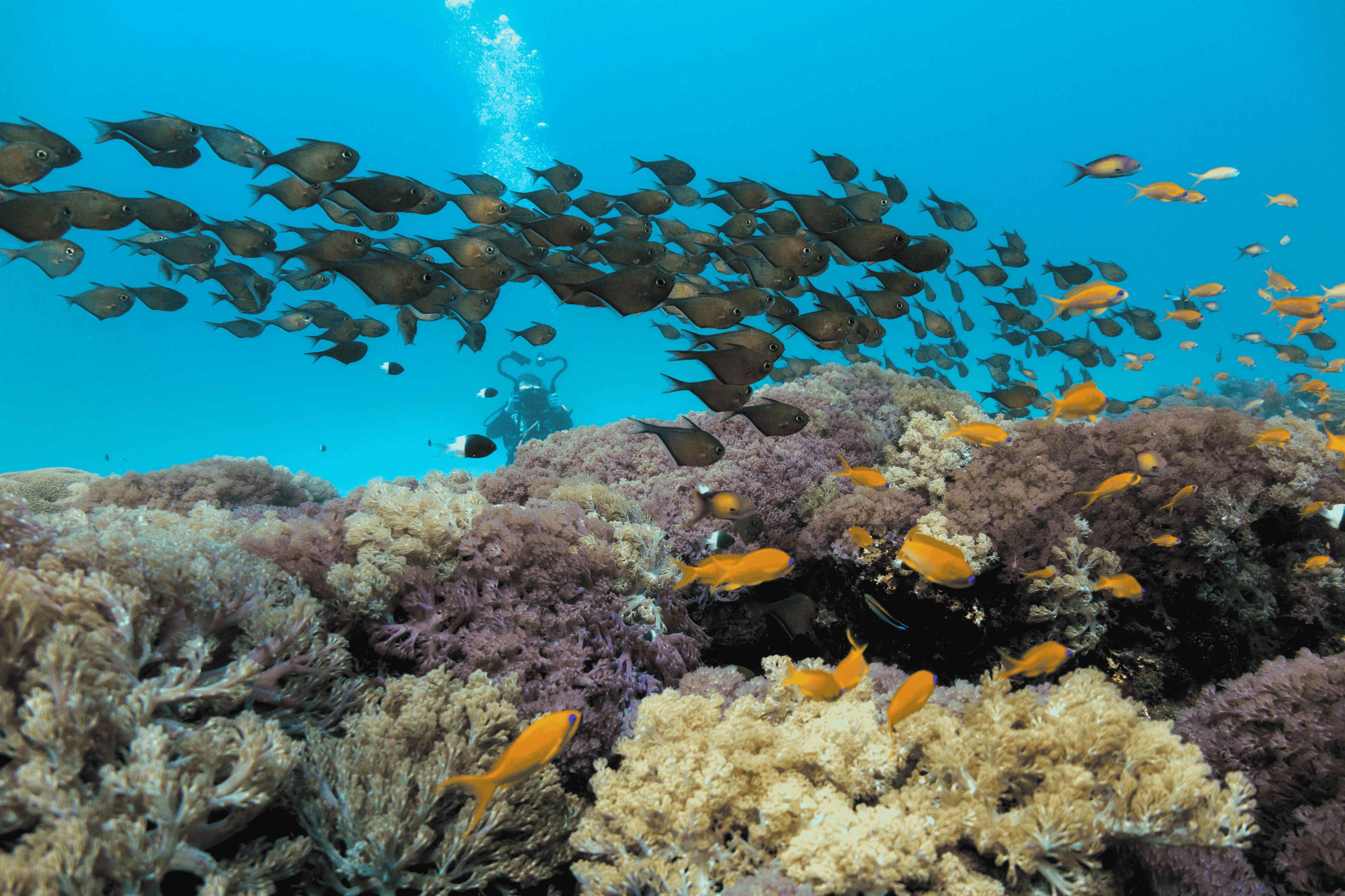
One of our monitoring projects had shown a seven-fold increase in fish biomass and a +70% change in biodiversity within two years of restoration.
So Black Winch’s contribution translates into impact at three levels: corals restored, local restoration capacity built, and knowledge generated that can improve reef restoration far beyond our own project sites.